About
Independent software engineering
We are based in the Arlon–Luxembourg region and we work with clients across Europe. Trentinian provides organisations with an experienced engineering partner that can design, build and maintain critical business software without unnecessary organisational layers or technical lock-in.
Prefer just the facts?
Download the Trentinian fact sheetWHY TRENTINIAN EXISTS
AI is changing the economics of software engineering
Trentinian was created around a simple conviction: AI is changing the economics of software engineering.
A new engineering model
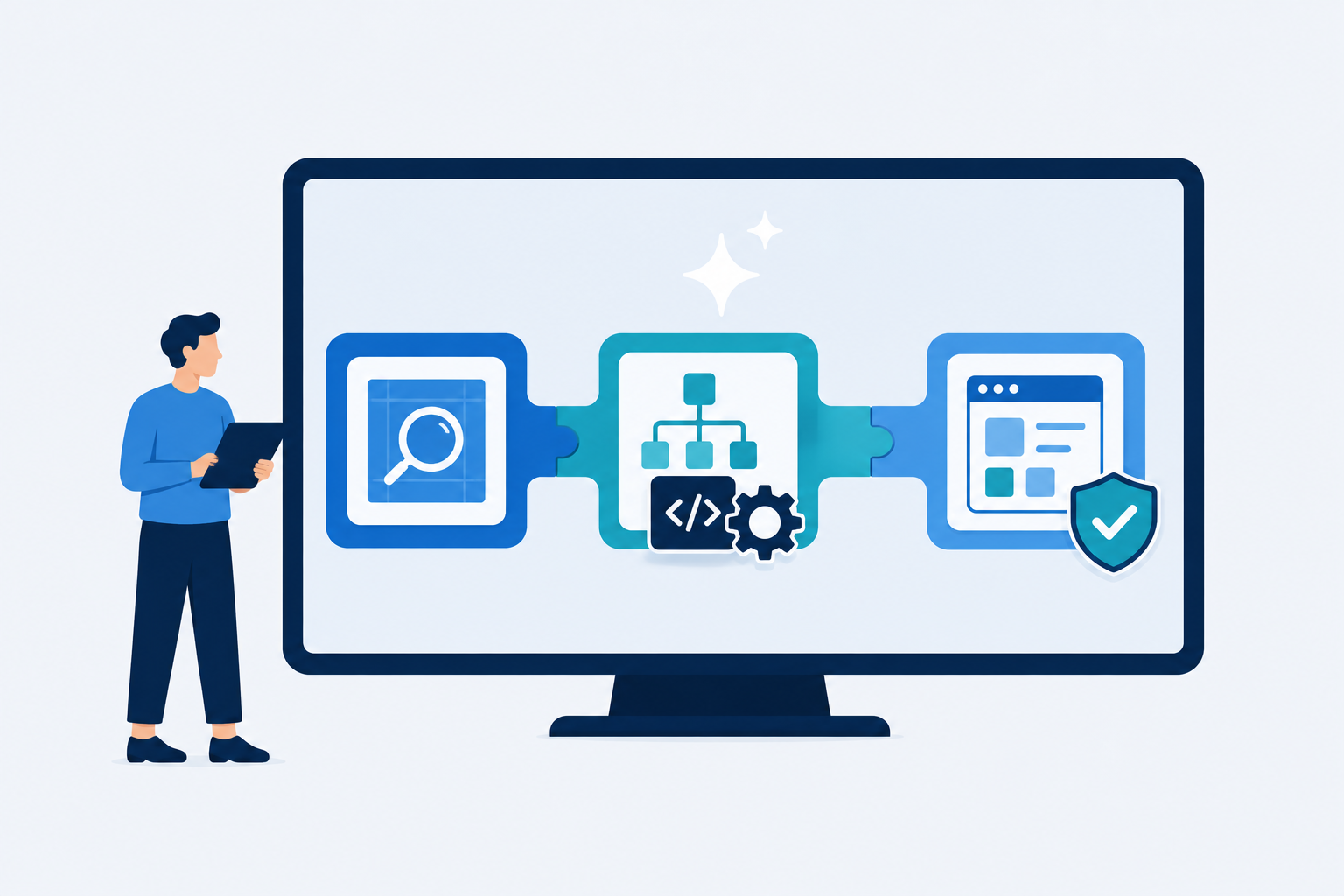
Modern AI-assisted engineering can shorten time to market, produce meaningful productivity gains and reduce the cost of designing, building and evolving business software. It allows smaller engineering organisations to take on broader technical work while maintaining continuity between discovery, architecture, implementation and production.
Business outcomes first
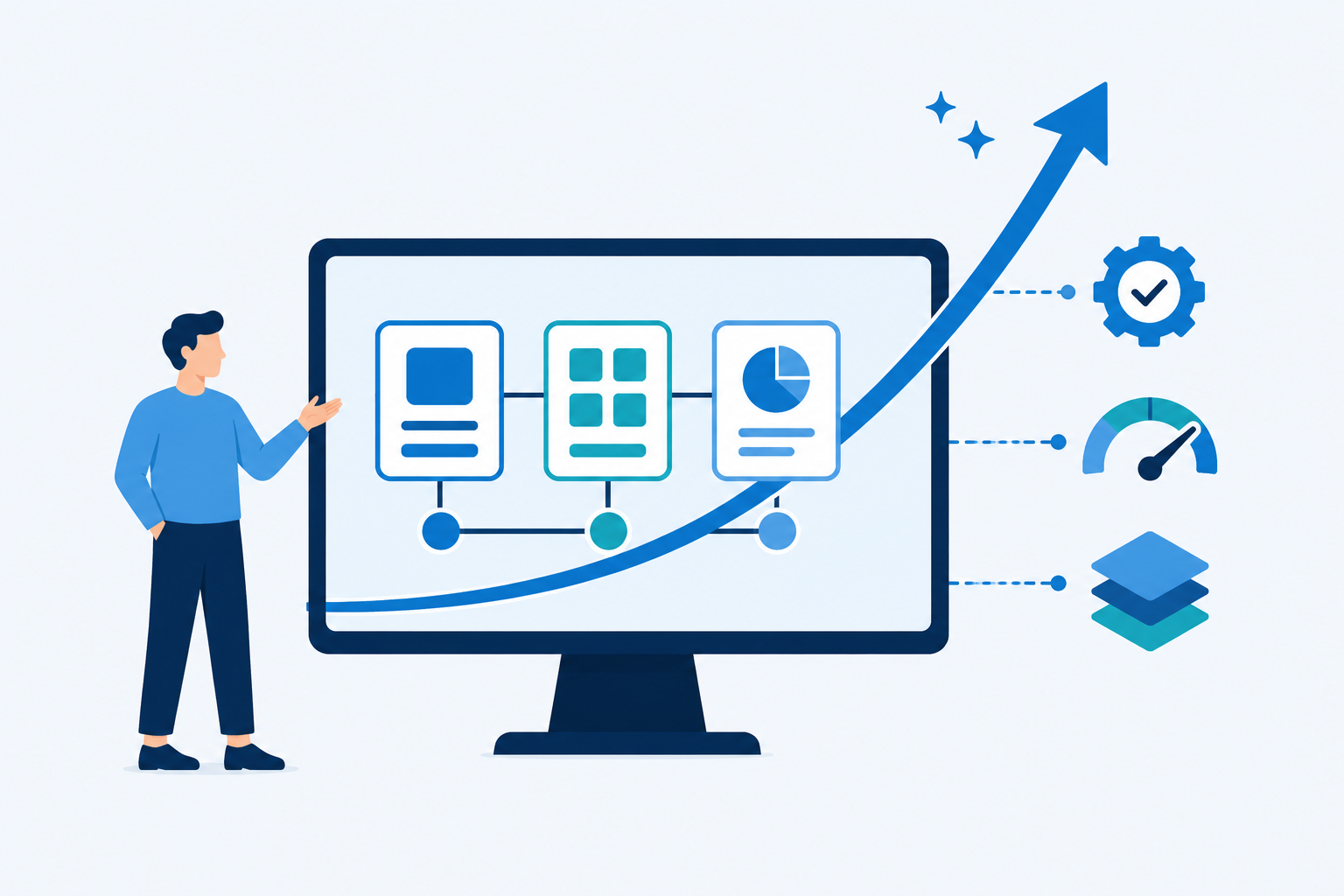
For customers, the objective is not AI adoption for its own sake. It is the ability to create and improve modern, scalable products and platforms faster, at lower operational cost, and with greater capacity to support sustained business and revenue growth.
Built for this shift
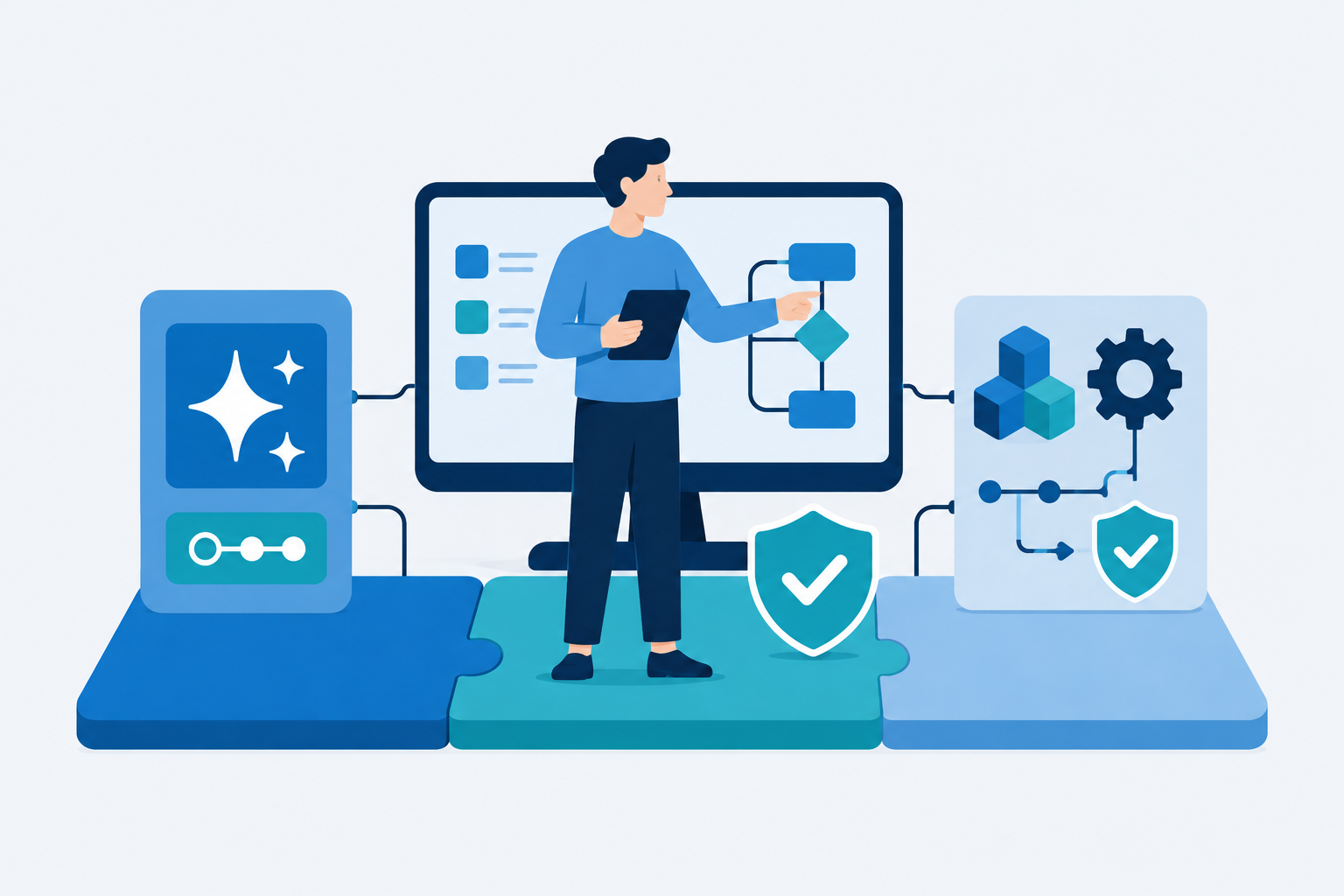
Trentinian is built around that shift: combining experienced software engineering with AI-native methods while keeping technical responsibility clear and human.

The founder
Trentinian was founded by Diego Deberdt, a software engineer and architect with thirty years of experience designing, building and maintaining business software.
His experience spans solution architecture, domain modelling, backend and frontend development, relational databases, systems integration, application security, cloud deployment and the ongoing operation of production applications.
Customers work directly with the founder during discovery, solution design and technical delivery. This provides continuity between the original business problem, the proposed architecture and the implemented application.
Trentinian is intentionally built as a lean engineering company. AI is used to increase the capacity and breadth of engineering work before scaling headcount and organisational complexity, while technical responsibility remains with the engineer accountable for delivery.
OPERATING PRINCIPLES
Operating principles
- 01
Technical responsibility stays clear.
AI can extend engineering capacity, but accountability for architecture, implementation quality and production outcomes remains human.
- 02
Engineering capacity before organisational complexity.
Trentinian uses AI to increase the speed and breadth of engineering work before scaling headcount and organisational layers.
- 03
Customers retain ownership and control.
Applications, source code, architecture and technology choices should remain under the customer's control, without unnecessary vendor lock-in.
- 04
Continuity matters.
Understanding accumulated during discovery and solution design should remain connected to implementation, deployment and the continued evolution of the software.
- 05
Technology must serve a business purpose.
Engineering decisions should contribute to useful outcomes: faster delivery, lower operational cost, improved productivity, dependable software and sustainable business growth.
Engineering method
AI-native engineering.
AI is used where it can safely improve engineering effectiveness.
The objective is not to replace engineering judgement, but to apply it with much greater leverage. AI can accelerate understanding, broaden technical analysis and reduce the effort required to design, build and evolve dependable software.
AI accelerates understanding
Repository-scale analysis can accelerate understanding of architecture, dependencies, behaviour and technical risk, particularly when working with unfamiliar or existing software.
AI accelerates engineering work
Modern coding agents support design exploration, implementation, refactoring, testing, investigation and documentation, reducing the effort required to turn engineering decisions into working software.
AI strengthens analysis and testing
AI-enabled analysis can help identify weaknesses, challenge assumptions, investigate security risks and provide additional scrutiny throughout development.
AI increases delivery capacity
AI allows a small, experienced engineering organisation to investigate more thoroughly, explore alternatives and undertake broader technical work without fragmenting responsibility across a large delivery team.
AI-generated output is treated as untrusted engineering input. Trentinian remains responsible for the software it delivers.
We use AI to increase engineering capacity, not to lower engineering standards.
Start a conversation
Tell us about your project.
Whether you are considering custom software that previously seemed too expensive, taking a prototype toward production, or trying to understand and maintain an existing application, the first step is a short conversation about the problem and whether Trentinian’s engineering model is a good fit.